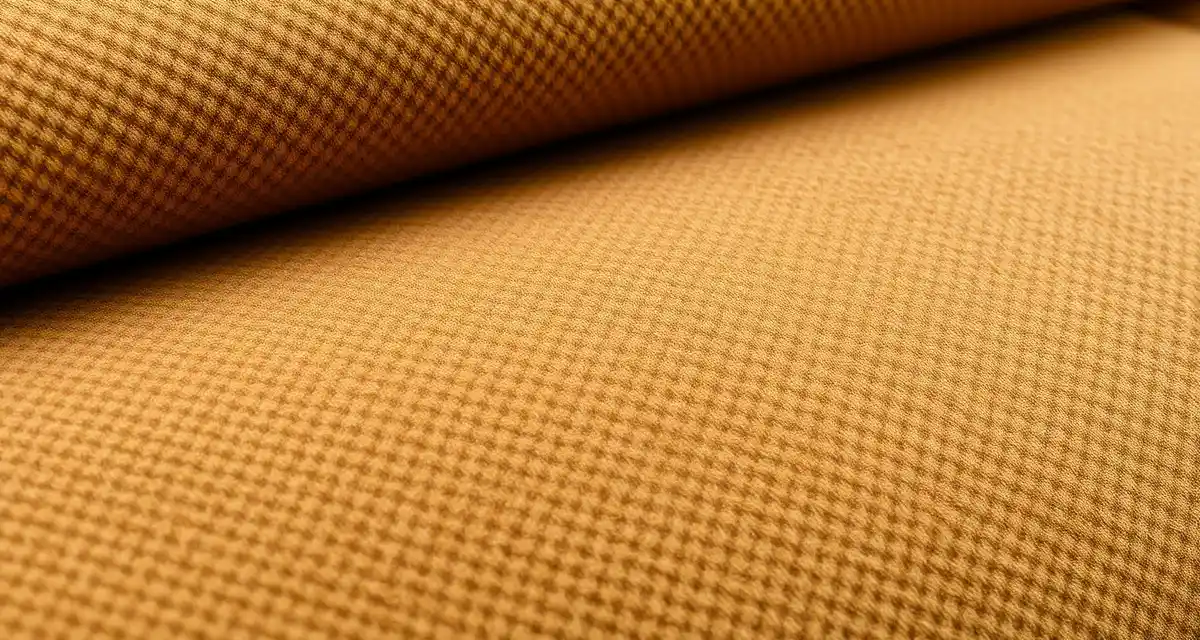
Wool Upholstery Guide
Wool is one of the most distinctive upholstery fabrics available. It offers natural durability, excellent resilience, inherent flame resistance, and a depth of color that synthetic fabrics struggle to replicate. In commercial applications, wool and wool blends have a long history in hospitality, transportation seating, and high-end office environments. For residential shops, wool requests typically come from customers who want a natural fiber with specific aesthetic or performance properties.
Wool Upholstery Performance Properties
Durability: wool upholstery fabrics vary widely in durability depending on fiber grade, weave structure, and finishing. Quality wool and wool-blend upholstery fabrics typically test at 30,000-75,000+ double rubs, which is competitive with mid-grade synthetics. The natural crimp in wool fiber contributes to its resilience: wool fiber returns to its original shape after compression better than many natural fibers.
Flame resistance: wool is inherently difficult to ignite and self-extinguishes when the ignition source is removed. This natural flame resistance is one reason wool is specified in transportation seating (aircraft, trains) and commercial environments with strict fire codes. Wool does not require additional flame retardant treatments to meet many commercial fire standards.
Temperature regulation: wool's natural insulating properties make wool-covered seating comfortable in both warm and cool environments. This is a genuine performance advantage in environments with variable temperature.
Resilience: wool fiber's natural crimp means it resists permanent matting and compression better than many natural fibers. Seat surfaces in wool do not flatten and lose appearance as quickly as some alternatives.
Moisture absorption: wool can absorb up to 30% of its weight in moisture before feeling wet. This contributes to comfort but also means that spills absorb into the fiber relatively quickly. Quick blotting is important.
Best Applications for Wool
Wool is appropriate for:
- High-end residential occasional and lounge chairs
- Residential and commercial formal seating
- Office and hospitality environments
- Period and traditional furniture where natural fiber is appropriate
- Any application where flame resistance is a priority
Wool is less appropriate for:
- High-spill environments such as dining applications or households with young children
- Outdoor applications (wool deteriorates with moisture exposure)
- Applications where ease of maintenance is the primary requirement
Wool Blends
Pure wool upholstery fabric is common but many commercial wool fabrics are wool blends, typically wool combined with nylon for abrasion resistance, polyester for cost and durability, or other fibers. A wool/nylon blend at 80/20 is a common specification that retains most of wool's performance characteristics while improving abrasion resistance and cleanability.
When quoting a wool blend job, verify the fiber content from the spec sheet. The handling and care requirements may differ from pure wool.
Cutting Wool Fabric
Wool fabric cuts cleanly with sharp shears. A rotary cutter works well on smooth wool. Avoid dull tools: a dull blade compresses wool fibers rather than cutting cleanly, which can result in a ragged cut edge that frays.
Many wool fabrics have a directional quality from the weave pattern or a light nap from the finish. Run your hand across the surface in both directions to check for directionality. If the surface feels noticeably different in each direction, treat the fabric as directional and cut all pieces in the same orientation.
Mark cutting lines on the reverse with chalk. Marking on the face with permanent markers can leave ghost marks.
Wool frays moderately at cut edges. Serge seam allowances after cutting for stability during sewing and handling.
Sewing Wool
Wool sews well on standard industrial machines. Use a size 14-16 needle and a polyester or wool thread appropriate to the fabric weight. Wool has good sewing properties and does not present the snagging or slipping issues of pile or coated fabrics.
Wool seams benefit from pressing. A steam iron with a wool pressing cloth or a damp cloth between the iron and the fabric produces flat, well-defined seams. Press seams open where accessible for minimal seam bulk.
Moth and Pest Considerations
Wool is susceptible to moth damage. Moth larvae feed on wool protein and can cause significant damage to stored wool fabric and finished wool-upholstered pieces.
For shops storing wool fabric or having wool-upholstered pieces in the shop for extended periods, use moth-deterrent sachets or cedar in storage areas. Advise customers to inspect wool-upholstered pieces periodically if stored in areas where moths are active, typically basements, attics, or storage units with poor ventilation.
Cleaning Code and Customer Care
Wool cleaning codes vary by product. Many are coded S (dry clean only) or WS. Some treated wool blends are coded W. Verify the cleaning code from the manufacturer before advising customers.
At delivery, provide care instructions:
- Vacuum regularly with a soft brush attachment
- Blot spills immediately; do not rub
- Professional dry cleaning for stains on S-coded fabrics
- Annual professional cleaning to maintain appearance and remove allergen buildup
- Check for moth activity periodically if the piece is in storage or low use
Document the fabric spec and cleaning code on the job record in StitchDesk for future reference. For yardage calculations on wool jobs, use the fabric yardage calculator and apply the 15% directional buffer if applicable. See the choosing upholstery fabric guide for how wool compares to other natural and synthetic fabric options in residential and commercial applications.