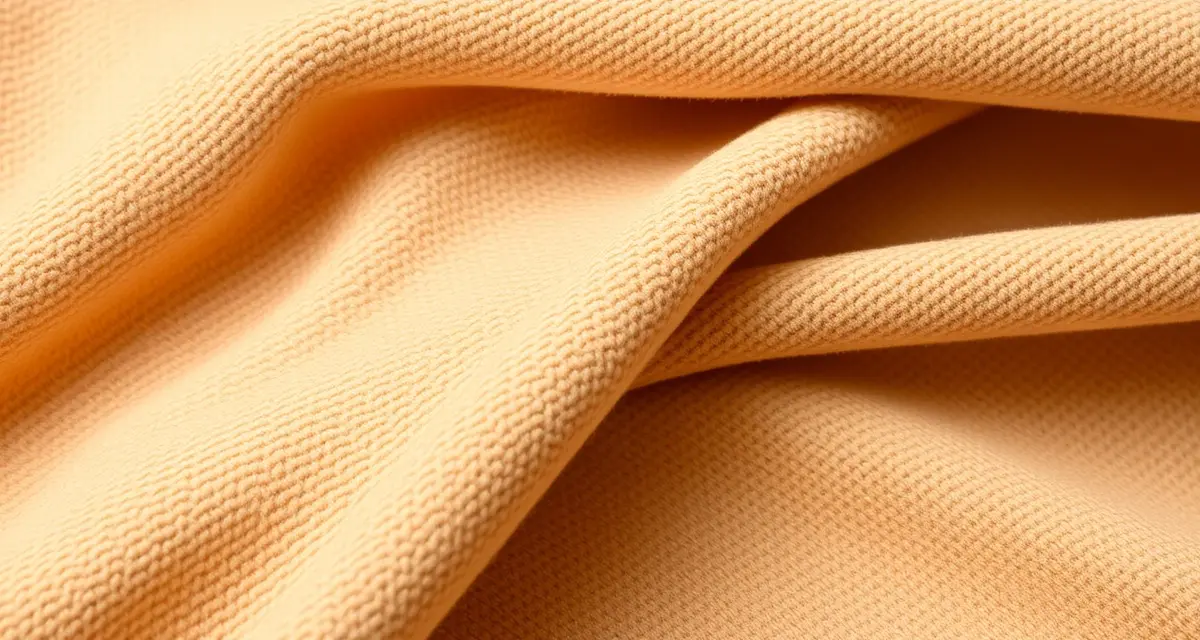
Microfiber Upholstery Guide
Microfiber is one of the most practical upholstery fabric choices for high-use residential seating. It is durable, easy to clean, soft to the touch, and available in a wide range of colors and textures. For upholstery shops, microfiber is generally easy to work with but has specific cutting and cleaning characteristics that are worth knowing.
What Microfiber Is
Microfiber is a synthetic fabric made from very fine polyester or polyester-nylon blend fibers, typically finer than one denier (thinner than a single strand of silk). The ultra-fine fiber construction produces a surface that is soft, dense, and tightly woven. This tight structure gives microfiber its characteristic performance properties.
Microfiber upholstery fabric typically tests at 30,000-100,000+ double rubs depending on construction. This puts it solidly in the durable-to-very-durable range for residential applications and into commercial range for higher-specification products.
Microfiber Performance Advantages
Stain resistance: microfiber's tight structure means that liquids bead on the surface rather than immediately penetrating, giving time to blot spills. The cleaning code is typically W or WS, meaning water-based cleaning methods work well. This makes microfiber one of the most practical choices for households with children and pets.
Durability: the dense fiber construction resists abrasion well. Standard residential microfiber lasts 5-10 years under daily use; high-specification grades last longer.
Allergen resistance: microfiber does not harbor dust mites as readily as natural fiber fabrics and is easier to clean of pet dander, making it a good recommendation for customers with allergies.
Softness: quality microfiber has a suede-like or velvety feel that customers find appealing. It is one of the most comfortable-to-the-touch fabrics in the synthetic category.
Directional Considerations
Many microfiber fabrics have a directional nap that is similar to suede. Running your hand in one direction feels smooth; running it the opposite direction feels slightly raised or rough. This is the nap direction.
Check every bolt of microfiber for nap direction before cutting. Cut all pieces in the same direction. A sofa with even one panel cut in the wrong direction will show a visible color difference under lighting, which is very difficult to explain to a customer.
For suede-effect microfibers (ultrasuede-style), the nap direction is pronounced and must be strictly controlled, the same as cut velvet.
Cutting Microfiber
Microfiber cuts cleanly with a rotary cutter or shears. The tight weave does not fray significantly, which makes handling easier than natural fiber fabrics. Mark cutting lines on the reverse with chalk.
Because microfiber does not fray much, seam allowances do not require immediate serging as urgently as linen or loose-weave fabrics. However, serging seam allowances after sewing still improves the finished quality of the seam interior.
Sewing Microfiber
Sew microfiber with a standard polyester thread. Use a needle size 14-16. Microfiber does not require special presser foot settings; your standard upholstery settings work well.
One issue specific to microfiber: the tight surface can cause layers to shift against each other during sewing on longer seams. Use a walking foot machine for long seams on microfiber to prevent panel shifting and misaligned seam lines.
Test thread tension on a scrap before sewing. Some microfibers show tension issues at seams differently than woven fabrics.
Cleaning and Care
Microfiber is typically coded W (water-based cleaners) or WS (either water or solvent). Cleaning instructions:
- Blot spills immediately; do not rub
- Spot clean with a mild water-based cleaner or upholstery cleaner
- After any wet cleaning, brush the nap gently in one direction with a soft brush as the fabric dries; this restores the smooth, brushed appearance
- Vacuum with a soft brush attachment to prevent nap flattening from suction
The nap-brushing step after cleaning is important and worth explaining to customers. Microfiber that has been cleaned without nap brushing can dry looking crushed or mottled. Brushing while still slightly damp restores the appearance completely.
Customer Guidance
Microfiber is an appropriate recommendation for:
- High-use family room seating
- Households with children and pets
- Customers who want durability and easy maintenance in a comfortable fabric
- Any residential application with regular use
At delivery, provide a care card that includes the cleaning code and the nap-brushing instruction. Many customer complaints about microfiber appearance after cleaning are resolved by this single step.
Use StitchDesk to record the fabric cleaning code on the job record for future reference. For yardage calculations on microfiber jobs, use the fabric yardage calculator and add the 15% directional buffer if the specific microfiber has a distinct nap.