Dovetail Restoration

Upholstery Shop in Denver, Colorado
4.2(5 reviews)
(303) 489-44476232 Beach St, Bldg D, Ste13, Denver, CO 80221View on Yelp
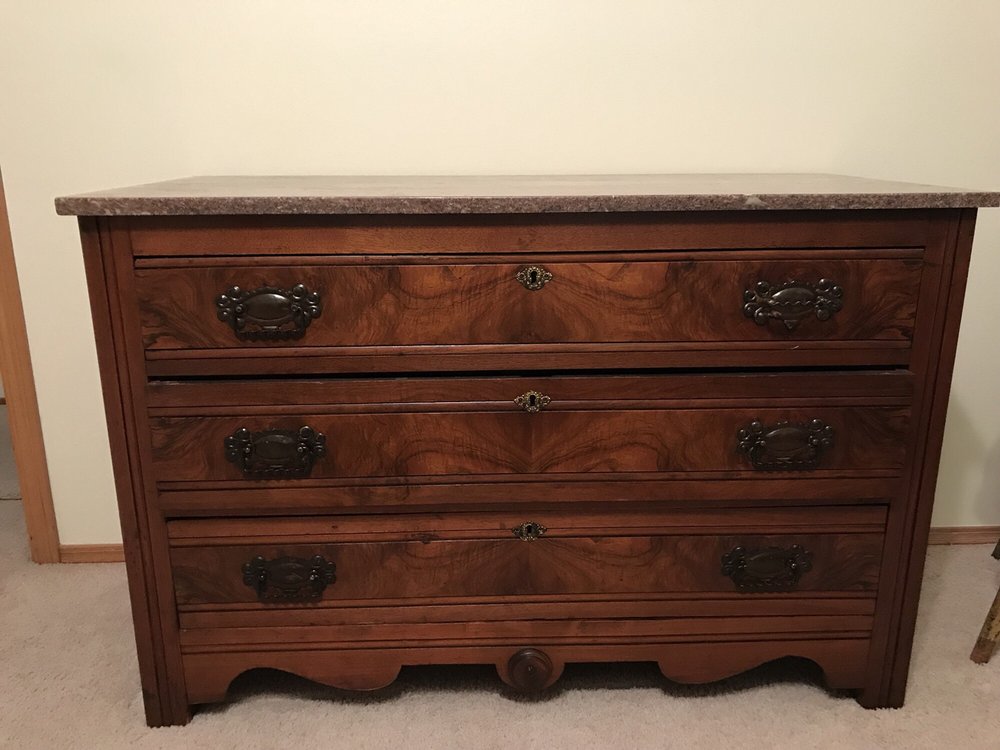
Dovetail Restoration - upholstery in Denver, CO

Customer Reviews

4.2
out of 5
5 reviews

Based on Yelp ratings

Read reviews on Yelp

About Dovetail Restoration

Dovetail Restoration in Denver, Colorado specializes in antiques and furniture reupholstery, a pairing that makes real sense for a city with an active vintage furniture and estate sale market. Denver's older neighborhoods, particularly those around Congress Park, Potter-Highlands, and Washington Park, are full of homes with inherited or collected antique pieces that deserve careful treatment. The shop holds a 4.2 rating across 5 reviews, reflecting consistent positive feedback. You can reach them at (303) 489-4447 to discuss restoration or reupholstery for a specific piece.

Services

Antiques
Furniture Reupholstery

Services & Process

Antique restoration at Dovetail goes beyond cosmetic fixes. It typically involves assessing the original construction methods used in older pieces, preserving hardware and structural details where possible, and selecting period-appropriate or complementary fabrics for reupholstery. Furniture reupholstery for antiques requires a more careful hand than standard work, since original tack strips, webbing, and horsehair padding are sometimes worth preserving or replicating. For Denver customers who've inherited a Victorian parlor chair or a mid-century modern credenza, this kind of specialized knowledge changes the outcome significantly.

Service Area

Dovetail Restoration serves Denver, Colorado, and the broader metro area. The shop draws customers from across Denver's historic neighborhoods as well as from Cherry Creek, Glendale, and nearby suburbs. Collectors and interior designers working on antique pieces throughout the Front Range region often seek out specialists like Dovetail for pieces that require extra care.

Frequently Asked Questions

What's different about reupholstering an antique versus a modern piece?
Antiques often use construction techniques that differ significantly from modern furniture, including hand-tied spring systems, horsehair padding, and tacked webbing. A shop experienced in antiques knows how to work within or replicate those systems rather than replacing them with modern shortcuts that can change the piece's character. The fabric selection also matters more, since some period pieces look wrong with contemporary materials.
Will reupholstering my antique reduce its value?
For most antiques that are used as functional furniture rather than museum pieces, thoughtful reupholstery generally maintains or improves value, especially if the original fabric was badly damaged. The exception is highly collectible pieces where even the deteriorated original fabric has provenance value. A good restoration shop will be honest with you about which category your piece falls into.
Where do antique restoration shops in Denver source period-appropriate fabric?
Reputable shops work with specialty fabric suppliers who carry historical reproductions, period-style weaves, and traditional materials like mohair, velvet, and tapestry. Some antique pieces are also candidates for high-quality modern fabrics that mimic the look of the original. Your restorer should be able to show you options and explain why certain materials suit the piece.
Can Dovetail Restoration work on pieces I've bought at estate sales or antique markets?
Yes, estate sale and antique market finds are exactly the kind of pieces a restoration and reupholstery shop handles regularly. Many customers bring in pieces with incomplete history or unknown age, and an experienced restorer can often identify the construction era and advise on the best approach. South Broadway antique shops and Denver estate sales are a common source of projects for local restoration specialists.
How long does antique furniture restoration typically take?
Restoration timelines depend heavily on the complexity of the piece and whether structural work is needed alongside reupholstery. A single antique side chair might be completed in one to two weeks, while a large Victorian settee with significant frame damage could take four to six weeks. Getting a realistic timeline estimate upfront helps you plan around the work.
Is it possible to restore furniture that has significant frame damage?
Frame damage is often repairable, especially in solid wood antiques where broken joints or cracked rails can be reglued, re-doweled, or reinforced. More severe structural damage may require custom fabrication of replacement parts, which adds time and cost. Most restoration shops assess frame condition as the first step and won't apply new upholstery until the structure is sound.

Is this your business?

Claim your listing to update your info and connect with customers.

Claim This Listing

More Upholstery Shops