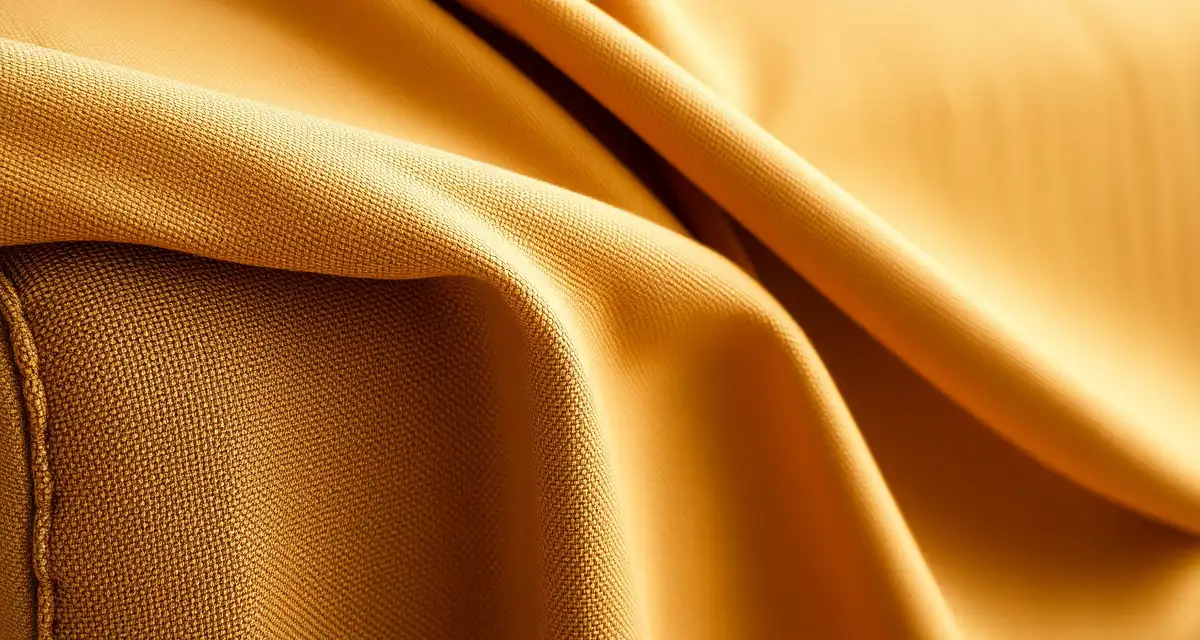
Cotton Upholstery Guide
Cotton is one of the oldest upholstery fabrics and still one of the most commonly requested. Customers love it for its natural feel, its ability to hold rich dye colors, and its breathability. For upholstery professionals, cotton presents a specific set of performance and handling characteristics that differ from synthetic fabrics. Understanding these makes the difference between a cotton job that looks great for years and one that disappoints.
Cotton Upholstery Performance Characteristics
Pure cotton upholstery fabric typically tests at 10,000-25,000 double rubs depending on the weave density and finishing. This places most cotton in the light-to-moderate durability category. Cotton blends with polyester can test significantly higher.
Key performance considerations:
Soiling: Cotton is more susceptible to soiling than synthetic fabrics because the fiber's surface is more porous. Spills penetrate quickly. Untreated cotton should not be specified for dining applications or households with children or pets unless the customer understands and accepts this limitation.
Stain-resistant finishing: Many cotton upholstery fabrics are treated with a stain-resistant finish that improves their practical performance significantly. Check the spec sheet for treatment information and cleaning code. Treated cotton is usually rated W or WS; untreated natural cotton is often rated S (dry clean only) or X (vacuum only).
Fading: Cotton dyes can fade in direct sunlight over time, particularly saturated colors. For pieces near windows, advise customers of this and recommend window film or furniture placement adjustments.
Shrinkage: Cotton will shrink if wet during cleaning. Customer care instructions should specify dry cleaning or professional cleaning only for non-treated cotton fabrics.
Best Applications for Cotton Upholstery
Cotton is well-suited for:
- Formal living room seating used occasionally
- Bedroom upholstered pieces (bench, headboard, accent chair)
- Decorative pillows and bolsters
- Antique and period furniture where a natural fiber is appropriate to the piece
- Window seats and reading chairs in lower-traffic rooms
Cotton is less appropriate for:
- Primary family room seating with daily heavy use
- Homes with pets or young children
- Dining chairs
- Any commercial application
When a customer requests cotton for a high-use application, document your recommendation of a more appropriate fabric on the work order. If the customer insists on cotton, get written acknowledgment that the durability limitations were explained.
Cutting Cotton Fabric
Cotton cuts cleanly with sharp shears or a rotary cutter. It does not have the snagging risk of looped or pile fabrics. However, loosely woven cottons fray aggressively at cut edges. Serge or overlock seam allowances immediately after cutting to prevent fraying during handling and sewing.
For printed cotton, treat it as a directional fabric if the print has an orientation. Cut all pieces in the same direction to maintain consistent print orientation across panels.
Cotton shrinks slightly with heat. Avoid high-heat pressing near cut edges that have not been serged, as the heat can cause fraying to accelerate.
Seam Technique for Cotton
Cotton sews easily on standard industrial machines. Use a standard 1/2 inch seam allowance. Thread tension and presser foot pressure at your normal settings are appropriate for most cotton upholstery weights.
For heavyweight cotton canvas or duck used on outdoor furniture or casual applications, use a heavier needle (size 18-20) and heavier thread. Canvas weight cotton is stiff enough that a walking foot machine helps prevent the layers from shifting on long straight seams.
Pattern-Matching Cotton
Many cotton upholstery fabrics feature prints, plaids, or geometric patterns that require matching at seams. Calculate yardage per piece carefully, adding one full pattern repeat per cutting zone for printed cotton.
For plaid cotton, both horizontal and vertical pattern matching is required at seams. This doubles the matching complexity and can substantially increase yardage requirements. A large-scale plaid can add 30-40% to the base yardage of a sofa job.
Communicating Cotton's Limitations
At intake, explain cotton's performance characteristics clearly: it is a natural fiber with moderate durability, and proper care is essential to maintain its appearance. Provide a written care card at delivery specifying the cleaning code and maintenance recommendations.
For cotton with a stain-resistant finish, note on the care card that the finish is not permanent and may need to be professionally reapplied after thorough cleaning.
Use StitchDesk to document fabric-specific care notes on every job record so they are available for future reference if the customer returns with maintenance questions. The fabric yardage calculator provides base yardage estimates for cotton jobs. See the upholstery yardage mistakes guide for pattern-matching errors common with printed cotton.