Boucle Upholstery Guide
Boucle is having a major moment in residential interior design, and upholstery shops are seeing more of it than ever. The fabric's looped, nubby texture creates the soft, textural aesthetic that drives its popularity, but those same loops present real challenges for professional installation. Understanding boucle's specific properties before you cut prevents the most costly mistakes.
What Makes Boucle Different
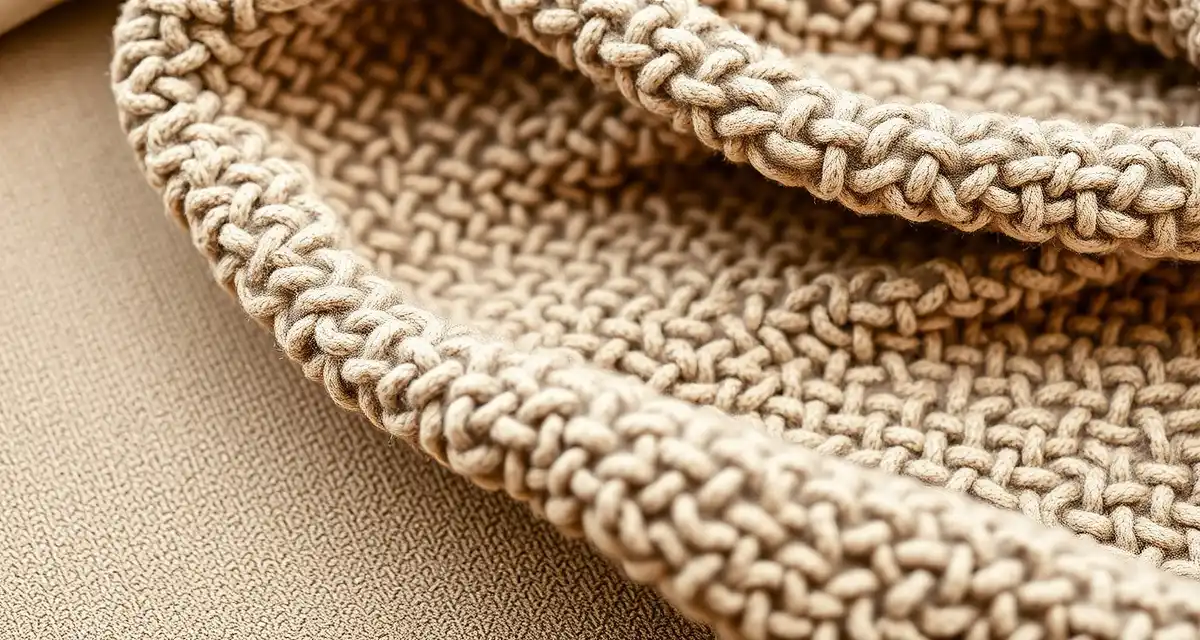
Boucle (French for "buckled" or "curled") is woven from yarns that have been twisted and looped to create the characteristic nubby surface. Unlike smooth wovens where the face is flat and consistent, boucle's loops project from the surface, making the fabric susceptible to snagging, loop distortion at seams, and uneven wear at high-contact points.
The loop structure also creates a fabric that has more stretch in some directions than flat-woven equivalents. This stretch affects how the fabric behaves when pulled over foam and stapled, and it affects seam integrity if the bias direction is not managed carefully.
Most residential boucle fabrics test at 15,000-30,000 double rubs, placing them in the moderate-durability category. This is appropriate for occasional chairs, accent pieces, and lower-use seating. Boucle is generally not appropriate for primary high-use seating like family room sofas or commercial applications.
Cutting Boucle
Use sharp shears, not a rotary cutter. Rotary cutters snag boucle loops at the cut edge, pulling loops free before you have even started sewing. A clean cut from sharp shears gives you a stable edge to work from.
Mark all cutting lines on the reverse with chalk or a fabric pen. Marking on the face disturbs the loops and may leave ghost marks.
Boucle does not have a distinct pile direction the way velvet does, but it often has a visual directionality from the weave structure. Check whether the fabric looks different from opposite viewing angles. If it does, treat it directionally and cut all pieces in the same orientation.
Add 15% to your yardage estimate for boucle to account for the extra waste that comes from careful edge management and the tendency to order a little extra to avoid shortfalls.
Seam Technique for Boucle
Boucle loops at seam allowances compress when sewn, creating seam bulk and potentially reducing seam strength. The approach is similar to working with chenille: trim or reduce loops from the seam allowance area before sewing.
Use a walking foot machine for boucle seams. The compound feed prevents the looped surface from being dragged against the feed dogs unevenly, which would cause the fabric layers to shift and produce misaligned seams.
Use a minimum 5/8-inch seam allowance. The extra depth keeps the stitch line away from the cut edge where loops are most vulnerable.
Test your thread tension on a fabric scrap before sewing. Boucle's variable thickness can require tension adjustments compared to your normal setting.
Boucle at High-Contact Points
Seat surfaces, arm tops, and cushion front edges are the highest wear points on any upholstered piece. Boucle loops in these areas will compress and flatten with use. This is not a defect; it is the expected wear pattern of a looped yarn fabric. However, customers should be informed before you take their job.
At intake, show the customer the fabric spec and explain the wear characteristics: the seat area will soften and change texture over time as loops compress, and the fabric may be susceptible to snagging from jewelry, pet claws, or rough contact. Get this acknowledgment in writing on the work order.
For high-contact areas, consider whether the customer would be better served by a more durable fabric for the primary seating surfaces, with boucle used on lower-contact areas like outside arms or decorative accent cushions.
Snagging and Loop Pulls
A pulled loop is the most common boucle complaint after installation. A single snagged loop pulled free creates a long loose loop projecting from the surface. The correct repair is to use a blunt needle to push the loop back through to the fabric reverse, not to cut it. Cutting a pulled loop creates a small hole that unravels further.
Include this care information on the fabric care card you provide to customers at delivery. A customer who knows how to address a pulled loop is less likely to call with a warranty complaint.
Quoting Boucle Jobs
Add handling notes to your quote for boucle jobs: note the additional yardage for waste, note the care information you will provide at delivery, and note that the fabric is appropriate for the stated use (specify if the customer is using it on a high-use piece where a different recommendation was given). This documentation protects you and sets expectations.
Use StitchDesk to attach fabric notes to the job record so they are visible at every stage of production. When a helper is doing the cutting or sewing, the handling requirements are documented and accessible rather than relying on verbal instruction.
For yardage calculation on boucle pieces, the fabric yardage calculator gives zone-by-zone estimates. Add your 15% boucle buffer on top of the base calculation.
See the upholstery fabric order management guide for how to handle boucle orders, which often come from interior design sources with long lead times.